
The Ultimate Guide to Surviving CMS Rural Healthcare Funding: Everything You Need to Access Your Share of $50 Billion
Comprehensive guide to the $50 billion CMS Rural Health Transformation Program, covering funding structure, strategic goals, timeline, and positioning strategies for rural healthcare providers.
11/10/20255 min read


The CMS Rural Health Transformation Program represents the largest rural healthcare investment in American history, with $50 billion allocated over five years to fundamentally reshape rural healthcare delivery. While state application deadlines have closed, understanding this landmark program remains crucial for rural healthcare providers preparing for implementation and positioning their agencies for success.
Understanding the Rural Health Transformation Program
The Rural Health Transformation (RHT) Program, created under the Working Families Tax Cuts legislation, addresses decades of rural healthcare inequities with unprecedented federal investment. Health and Human Services Secretary Robert F. Kennedy, Jr. emphasized the urgency: "Rural families have been left behind, driving hours for care or going without it entirely. This program restores fairness and brings quality health care back to every American community."
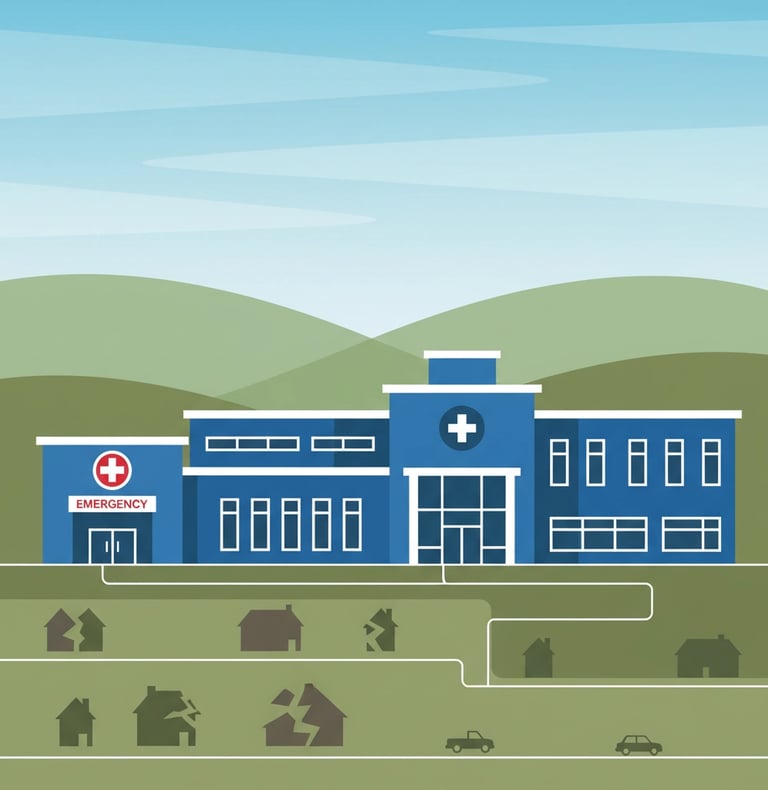
With all 50 states having submitted applications by the November 5, 2025 deadline, the program now enters its critical review phase. CMS will announce approved awardees by December 31, 2025, setting the stage for transformative changes beginning in Federal Fiscal Year 2026.
The $50 Billion Funding Structure
The program distributes $10 billion annually from 2026 through 2030 across two distinct funding streams, each totaling $25 billion:
Direct Awards: Competitive funding based on merit review and strategic alignment with program goals.
Formula-Based Awards: Calculated using three key factors - percentage of state population in rural census tracts, state's share of rural health facilities compared to national totals, and condition and needs of rural hospitals within the state.
Two-Stage Award Process
CMS designed a transparent funding mechanism ensuring both equity and excellence:
Stage One - Baseline Funding (50%): States meeting compliance requirements receive equal baseline funding distribution. This guarantees foundational resources for every state with approved applications.
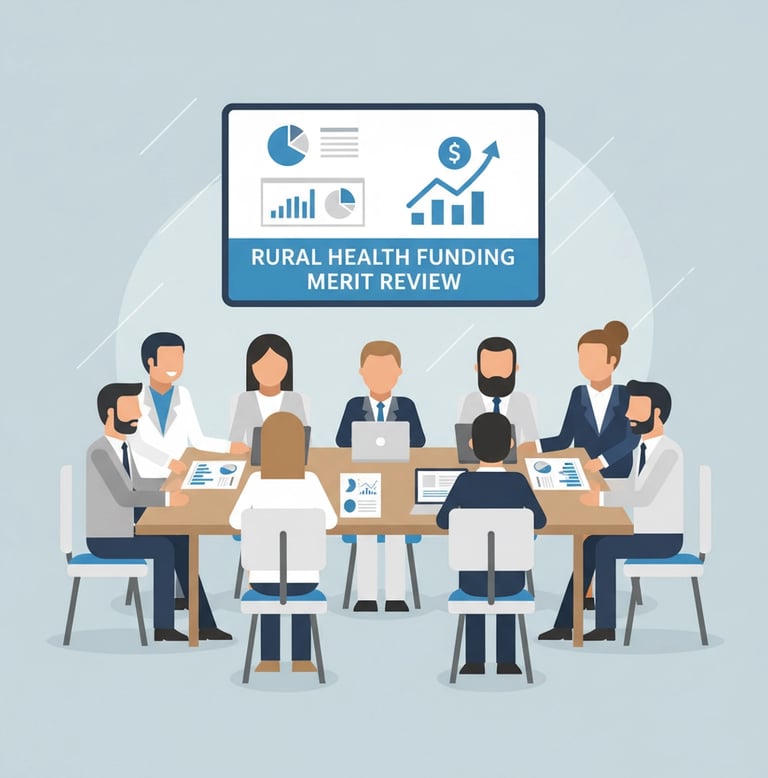
Stage Two - Merit Review Funding (50%): Rigorous evaluation by federal and non-federal rural health experts assesses proposed initiatives and program goal alignment, ensuring fair and data-driven distribution.
Five Strategic Program Goals
The RHT Program centers on comprehensive strategic objectives that rural healthcare providers must understand and align with:
Make Rural America Healthy Again
Supporting rural health innovations and preventive care addressing disease root causes within rural communities. This goal emphasizes upstream interventions rather than reactive treatment models.
Sustainable Access
Ensuring rural providers become long-term care access points through improved efficiency and sustainability, moving beyond temporary relief toward permanent solutions.
Workforce Development
Building and retaining strong rural healthcare workforces through targeted recruitment and retention initiatives addressing critical staffing shortages.
Innovative Care
Testing new care delivery models improving rural health outcomes while lowering costs, including value-based models and alternative payment arrangements.
Tech Innovation
Expanding technologies promoting access and efficiency in rural settings, particularly telehealth platforms and AI diagnostic tools.
Approved Funding Uses and State Flexibility
States possess considerable discretion in deploying funds across rural hospitals, clinics, and healthcare providers. However, the program explicitly prohibits using funding for "perpetual operating expenses," instead requiring "investments that can be made within the duration of the program that will have sustainable impact beyond the end of the program."
Eligible investments include:
Prevention and chronic disease management interventions
Collaboration and coordination among rural healthcare facilities
Clinical workforce recruitment and development programs
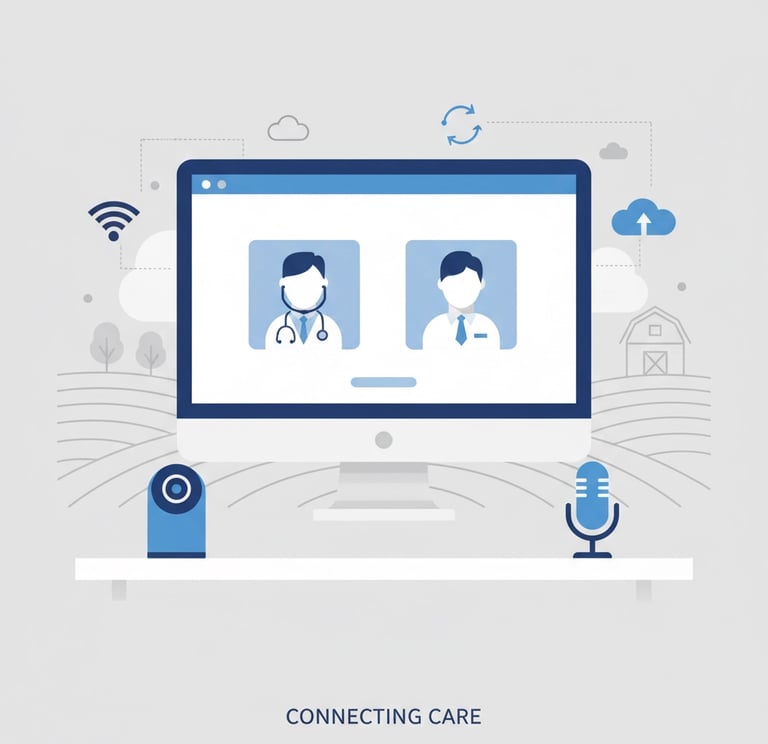
Technological advancement including telehealth expansion
Hospital infrastructure investment and modernization
Strategic planning for service optimization
Value-based care and alternative payment model adoption
Critical Timeline and Next Steps
December 31, 2025: CMS announces all approved awardees - a pivotal moment just weeks away that will determine which states receive funding and implementation authority.
Federal Fiscal Year 2026: Initial funding distribution begins, with states launching approved programs and initiatives.
2026-2030: Full program implementation with ongoing technical assistance from CMS's Office of Rural Health Transformation, providing dedicated program officers supporting state design, implementation, and sustainability efforts.
Positioning Your Agency for Success
While direct state applications have closed, rural healthcare providers can still position themselves strategically for program benefits and broader industry transformation.
Strategic Planning Considerations
The program's sustainability focus creates opportunities for agencies demonstrating long-term viability and innovation capacity. Providers should evaluate current service delivery models, identify efficiency improvements, and develop strategic plans aligning with the five program goals.
For agencies considering transitions or partnerships, this funding landscape presents unique opportunities. The emphasis on sustainable access and collaborative care models may accelerate merger and acquisition activity as organizations seek to strengthen market positions.


Workforce and Technology Investments
The program's workforce development and technology innovation priorities align perfectly with current industry challenges. Agencies should prioritize recruitment strategies, retention programs, and technology adoption that positions them as attractive partners for state implementation efforts.
Implications for Home Health and Hospice Agencies
Rural home health and hospice agencies face particular opportunities within this funding framework. The program's emphasis on sustainable access and collaborative care models directly supports home-based care delivery expansion.
Agencies operating in rural markets should prepare for increased coordination requirements and potential partnership opportunities as states implement their approved plans. The focus on value-based care models may accelerate alternative payment arrangements affecting reimbursement structures.
Preparing for Implementation
With funding decisions imminent, rural healthcare providers should focus on preparation rather than application. Key preparation areas include:
Operational Readiness: Ensuring systems and processes can adapt to new care coordination requirements and technology implementations.
Partnership Development: Building relationships with other rural providers, state agencies, and technology vendors positioning for collaborative initiatives.
Financial Planning: Preparing for potential changes in patient volumes, service delivery models, and reimbursement arrangements resulting from state program implementations.


Looking Beyond 2030
The program's sustainability requirements mean investments must create lasting impact beyond the five-year funding period. This forward-looking approach suggests permanent changes in rural healthcare delivery models rather than temporary improvements.
For healthcare agencies, this represents both opportunity and challenge. Organizations demonstrating sustainable innovation and collaborative capacity will likely benefit most from direct and indirect program impacts.
The Rural Health Transformation Program represents more than funding - it signals a fundamental shift in rural healthcare approach. As CMS Administrator Dr. Mehmet Oz noted, the goal is moving "from a system that has too often failed rural America to one built on dignity, prevention, and sustainability."
Rural healthcare providers prepared for this transformation, with strategic plans aligned to program goals and operational capacity for collaborative care models, will be best positioned to thrive in the evolving landscape created by this historic $50 billion investment.
External Reference Sources:
https://www.cms.gov/newsroom/press-releases/all-50-states-seek-transform-rural-health-cms
https://hagertyconsulting.com/rural-health-transformation-funding/
https://www.naco.org/news/cms-releases-rural-health-transformation-program-funding-opportunity
https://www.kff.org/other-health/key-takeaways-from-cmss-rural-health-funding-announcement/
https://www.cms.gov/priorities/rural-health-transformation-rht-program/overview
https://www.hhs.gov/press-room/cms-rural-health-transformation-program-50-billion.html
https://www.aha.org/news/headline/2025-11-06-cms-says-all-50-states-applied-rural-health-fund
https://www.himss.org/resources/fact-sheet-cms-rural-health-transformation-program/
https://shvs.org/tracking-state-preparation-for-the-rural-health-transformation-program/
Unlock Your 30-Minute Agency Succession Review
Maybe you're ready to expand your reach, or perhaps it's time to consider your legacy and the future of your business. Either way, it all begins with a conversation. Schedule a confidential, no-obligation call to explore what the future might hold for you and your business.
Complete the form, and we'll reach out for a chat...


© 2025 SENATE HEALTHCARE LLC.
ALL RIGHTS RESERVED