
How AI is Changing Home Health Operations: Lessons from PruittHealth's Real-World Results
This comprehensive analysis examines PruittHealth's strategic AI implementation across 185+ locations, providing home health agency owners with concrete evidence of how artificial intelligence drives measurable clinical outcomes and operational efficiency gains. The article details proven performance improvements in readmission rates, patient satisfaction, and operational efficiency that directly impact agency valuations, offering actionable implementation strategies for owners preparing exit strategies. Key focus areas include technology infrastructure development, workforce integration tactics, and specific KPI benchmarks that demonstrate AI impact on metrics buyers prioritize during acquisition evaluations.
12/8/20255 min read


PruittHealth's strategic AI implementation across 185+ locations offers home health agency owners concrete evidence of how artificial intelligence can drive measurable clinical outcomes and operational efficiency gains that directly impact agency valuation. This comprehensive analysis examines their real-world results, operational KPIs, and actionable implementation strategies that position agencies for stronger buyer interest and higher exit multiples.
The Strategic Case for AI Investment in Home Health
Home health agencies considering sale or strategic partnership need to understand that sophisticated buyers increasingly evaluate technology infrastructure as a key value driver. PruittHealth's experience with over 10,000 employees demonstrates how AI implementation creates measurable competitive advantages that translate directly into improved EBITDA margins and operational scalability that buyers prize.
The southeastern post-acute care provider has achieved quantifiable improvements in critical performance metrics through strategic AI deployment. Most significantly, they've reduced rehospitalization rates while improving patient satisfaction scores, two KPIs that directly correlate with agency valuations in today's market. Buyers consistently pay premium multiples for agencies that demonstrate superior clinical outcomes paired with operational efficiency.


Proven Clinical Outcomes That Drive Buyer Interest
PruittHealth's AI systems have delivered tangible results in areas that sophisticated buyers scrutinize during due diligence. Their proactive fall risk identification system allows clinical staff to implement targeted interventions before adverse events occur, moving from reactive crisis management to preventive care models that reduce liability exposure and improve quality metrics.
The technology has enabled early identification of declines in activities of daily living, facilitating timely interventions that prevent costly hospital readmissions. This capability is particularly valuable for agencies targeting value-based care contracts, where readmission penalties can significantly impact profitability. Annette Salisbury, senior vice president of HCC clinical services at PruittHealth, reports substantial improvements in both patient care quality and family satisfaction metrics following AI implementation.
These improvements create compelling due diligence narratives for potential buyers. Agencies that can demonstrate measurable reductions in readmission rates, improved patient satisfaction scores, and proactive clinical management position themselves for premium valuations. The data-driven nature of these improvements provides the objective performance metrics that sophisticated healthcare buyers require when evaluating acquisition targets.
Operational Efficiency Gains That Improve EBITDA
Beyond clinical outcomes, PruittHealth's AI implementation has generated significant operational efficiencies that directly impact bottom-line performance. Their electronic health record analysis capabilities enable more informed care planning and clinical decision-making by processing large volumes of patient data to identify patterns and risk factors that manual processes might miss.
The organization's use of generative AI for analyzing denied insurance claims represents a particularly valuable application for home health agencies. By ensuring documentation includes necessary information to support payment, this technology reduces revenue cycle complexity and days sales outstanding. For agencies preparing for sale, demonstrating superior collections processes and reduced accounts receivable aging can add significant value during buyer evaluations.
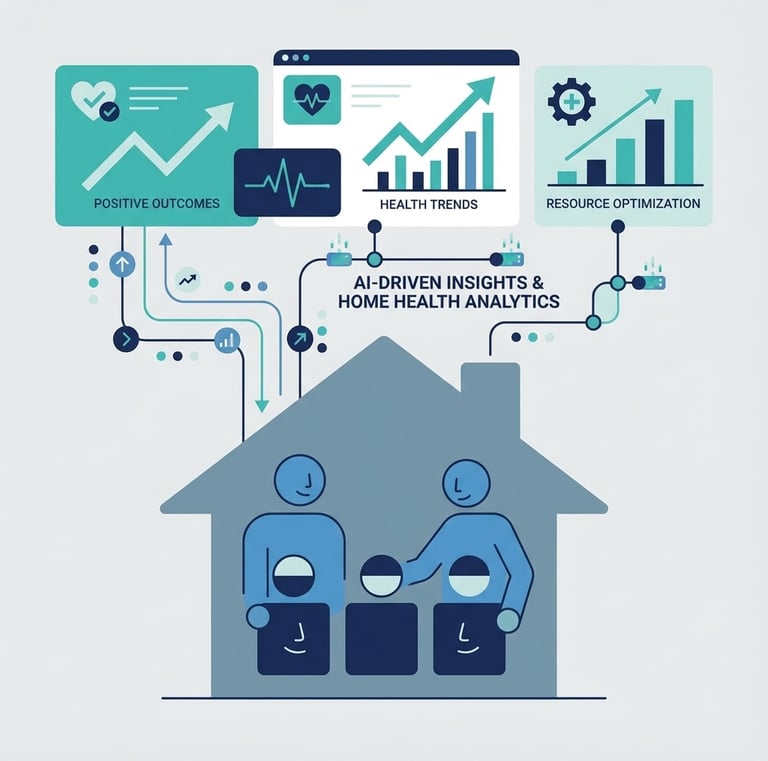

Administrative process optimization through AI has allowed clinical staff to focus more time on direct patient care rather than documentation and claims management. This workforce efficiency improvement translates directly into improved clinician productivity metrics that buyers evaluate when assessing operational scalability.
Technology Infrastructure as Competitive Differentiation
PruittHealth's strategic partnership approach with Accenture Consulting and Microsoft demonstrates the level of technology sophistication that positions agencies for premium valuations. Rather than implementing off-the-shelf solutions, they've developed customized AI platforms that address the unique operational requirements of post-acute care delivery.
This approach provides important lessons for agency owners considering technology investments prior to sale. Buyers increasingly evaluate technology infrastructure as a key differentiator, particularly as regulatory pressures around Medicare and Medicaid reimbursement intensify. Agencies that can demonstrate improved outcomes and operational efficiency through AI implementation create compelling investment theses for potential acquirers.
The custom platform development also addresses scalability concerns that buyers evaluate during due diligence. Technology systems that can support growth and expansion plans become valuable strategic assets that justify higher acquisition multiples.
Workforce Integration Strategies That Minimize Implementation Risk
PruittHealth's experience with initial staff resistance provides valuable insights for agency owners planning AI implementation. Their successful change management approach focused on positioning AI as a tool that enhances rather than replaces human workers, driving efficiency and improving care effectiveness without eliminating positions.
This messaging strategy proved essential for building organizational buy-in, particularly among clinical staff who initially viewed the technology as threatening job security. Nurses found particular value in AI-assisted documentation and workflow optimization, which reduced administrative burden and allowed more focus on direct patient care activities.
For agencies preparing for sale, demonstrating successful technology adoption across the workforce reduces buyer concerns about implementation risk and cultural resistance. The ability to show that staff embraces and effectively utilizes AI systems provides evidence of organizational adaptability that sophisticated buyers value.
Benchmarking Performance Metrics for Exit Readiness
Agency owners should establish specific KPI benchmarks that demonstrate AI impact on performance metrics buyers prioritize. Key measurements include:
Clinical Quality Indicators: Track readmission rates, patient satisfaction scores, and clinical incident reports before and after AI implementation. Document percentage improvements and compare performance to industry benchmarks.
Operational Efficiency Metrics: Monitor clinician productivity, documentation time reduction, and revenue cycle performance. Measure days sales outstanding improvements and claims denial rate reductions.
Financial Performance: Calculate EBITDA margin improvements attributable to AI-driven efficiency gains. Document cost reductions from reduced administrative overhead and improved clinical outcomes.
These benchmarks create objective performance narratives that support premium valuations during exit discussions. Buyers can model future performance improvements and justify higher acquisition multiples when agencies provide concrete evidence of AI-driven operational excellence.
Strategic Implementation Timeline for Sale Preparation
Agencies planning exit strategies should implement AI systems 18-24 months prior to marketing to allow sufficient time for performance improvement documentation. This timeline enables organizations to establish baseline metrics, implement systems, train staff, and demonstrate sustained performance improvements that buyers can validate during due diligence.
The investment in AI infrastructure also positions agencies to compete more effectively for value-based care contracts, which increasingly represent premium revenue opportunities that buyers prioritize. Agencies that can demonstrate successful participation in risk-based contracts command higher acquisition multiples due to diversified revenue streams and proven clinical management capabilities.
PruittHealth's expansion plans, informed by technology capabilities, demonstrate how AI competency becomes a competitive differentiator in post-acute care markets. This strategic advantage becomes particularly valuable as regulatory pressures intensify and operational efficiency becomes critical for financial sustainability.
Ready to position your home health agency for maximum exit value through strategic technology implementation? Senate Healthcare's advisory team helps agency owners develop comprehensive exit strategies that leverage operational improvements to drive premium valuations. Contact our specialists to discuss how proven AI implementation strategies can enhance your agency's market positioning and buyer appeal.
Unlock Your 30-Minute Agency Succession Review
Maybe you're ready to expand your reach, or perhaps it's time to consider your legacy and the future of your business. Either way, it all begins with a conversation. Schedule a confidential, no-obligation call to explore what the future might hold for you and your business.
Complete the form, and we'll reach out for a chat...


© 2025 SENATE HEALTHCARE LLC.
ALL RIGHTS RESERVED